

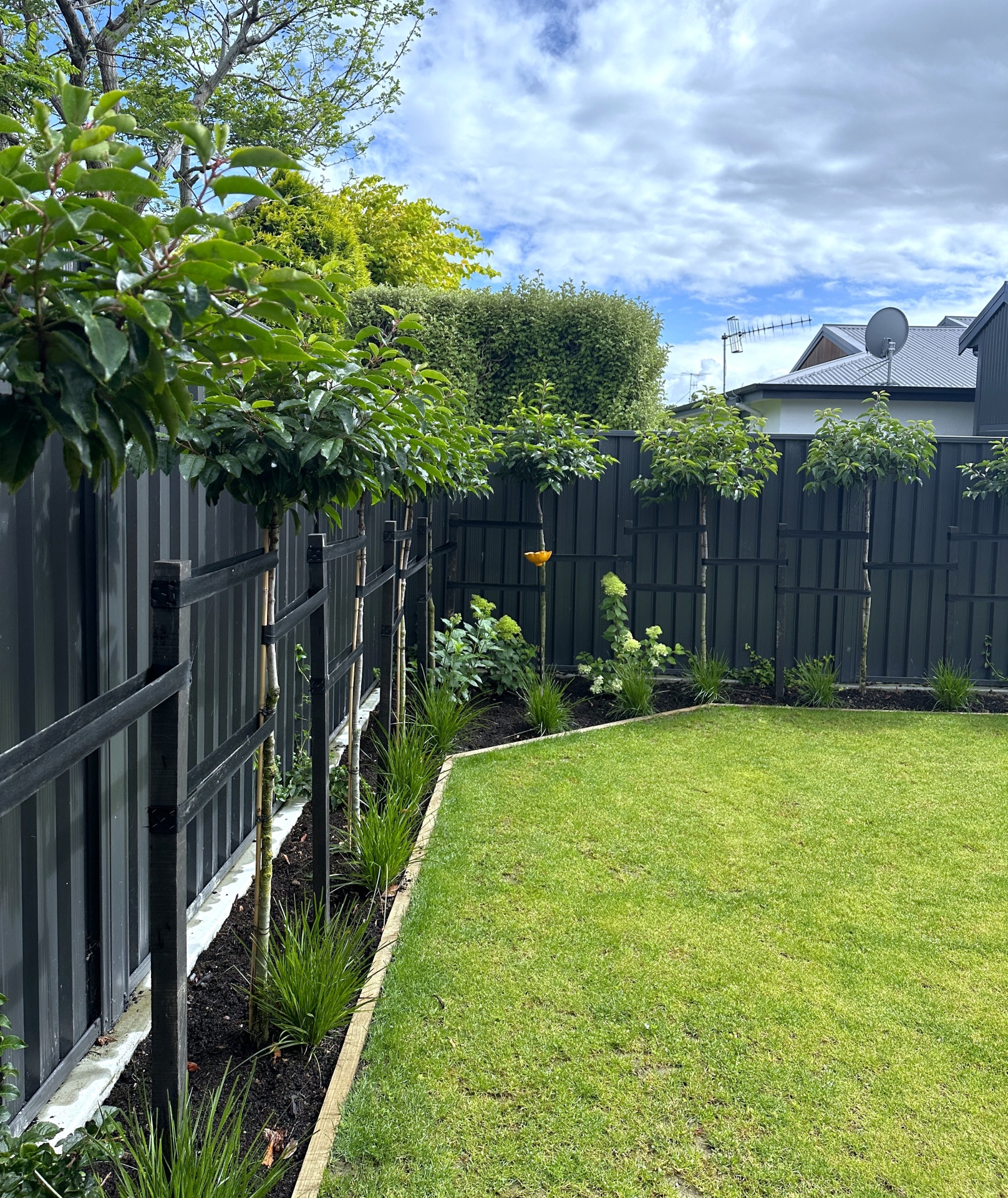
Creating the perfect lawn takes careful planning, preparation, and the right timing. Whether you're installing a new lawn or rejuvenating an old one, following the right process will ensure your lawn is lush, green, and healthy. Here’s a guide to help you get started.
1. Timing is Everything: The Best Time of Year for Lawn Installation
The first step to a perfect lawn is choosing the right time of year to establish it. You need to ensure plenty of growth, which means aiming for the warmer months:
Ideal window: Late spring to the beginning of autumn is the best time to establish a new lawn. This period gives grass the best chance to grow strong before cooler weather sets in.
2. Prep, Prep, Prep: The Foundation for Success
Proper preparation is key to achieving a thriving lawn. Skimping on this step can lead to poor drainage, uneven growth, and a less-than-perfect finish.
Clear debris: Begin by removing all existing clay, rubble, or debris, especially if your lawn site is part of a new build or renovation. This ensures the soil is ready to support healthy growth.
Level the ground: Use a loader or level by hand to even out the ground. This will prevent water pooling in low spots and create a smooth, visually appealing lawn.
3. Aerate the Soil for Better Growth
Once the site is cleared and levelled, it's time to break up and aerate the soil.
Rotary hoe: Bring in a rotary hoe to loosen and aerate the soil. This process improves the soil’s structure, allowing air, water, and nutrients to penetrate more deeply, promoting better grass growth.
4. Add High-Quality Topsoil
With the ground aerated, the next step is to apply a layer of high-grade, screened topsoil.
Spread evenly: Spread the topsoil evenly across the lawn site. This provides a nutrient-rich environment for the grass to grow, ensuring even coverage and a lush final result.
5. Sow the Grass Seed
Now that your ground is prepared, it's time to sow the grass seed.
Even sowing: Make sure to spread the grass seed evenly to avoid patchy areas. Aim for full coverage to encourage uniform growth.
Light rake: Gently rake the soil after sowing to lightly cover the seed, giving it better contact with the soil for germination.
6. Roll and Firm the Seed
After sowing and raking, use a roller to press the seed into the soil.
Firming the seed: Rolling ensures that the seed makes good contact with the soil, increasing the chances of germination and establishing strong roots.
7. Watering: Keep the Soil Moist
Water is essential for the seeds to germinate and grow. Consistency is key during this stage.
Water regularly: Keep the soil consistently moist, especially in the first few weeks after sowing. This will maximise seed germination and help prevent weeds from overtaking your lawn.
Final Thoughts
Achieving a perfect lawn takes some effort, but with the right preparation and consistent care, you’ll be rewarded with a lush, green space to enjoy for years to come. Whether you're starting from scratch or refreshing an existing lawn, these steps are crucial to ensuring success.