

Native plants are a fantastic choice for New Zealand gardens, offering beautiful textures, striking forms, and low-maintenance appeal. However, selecting the right mix is key to achieving a well-balanced, visually appealing space.
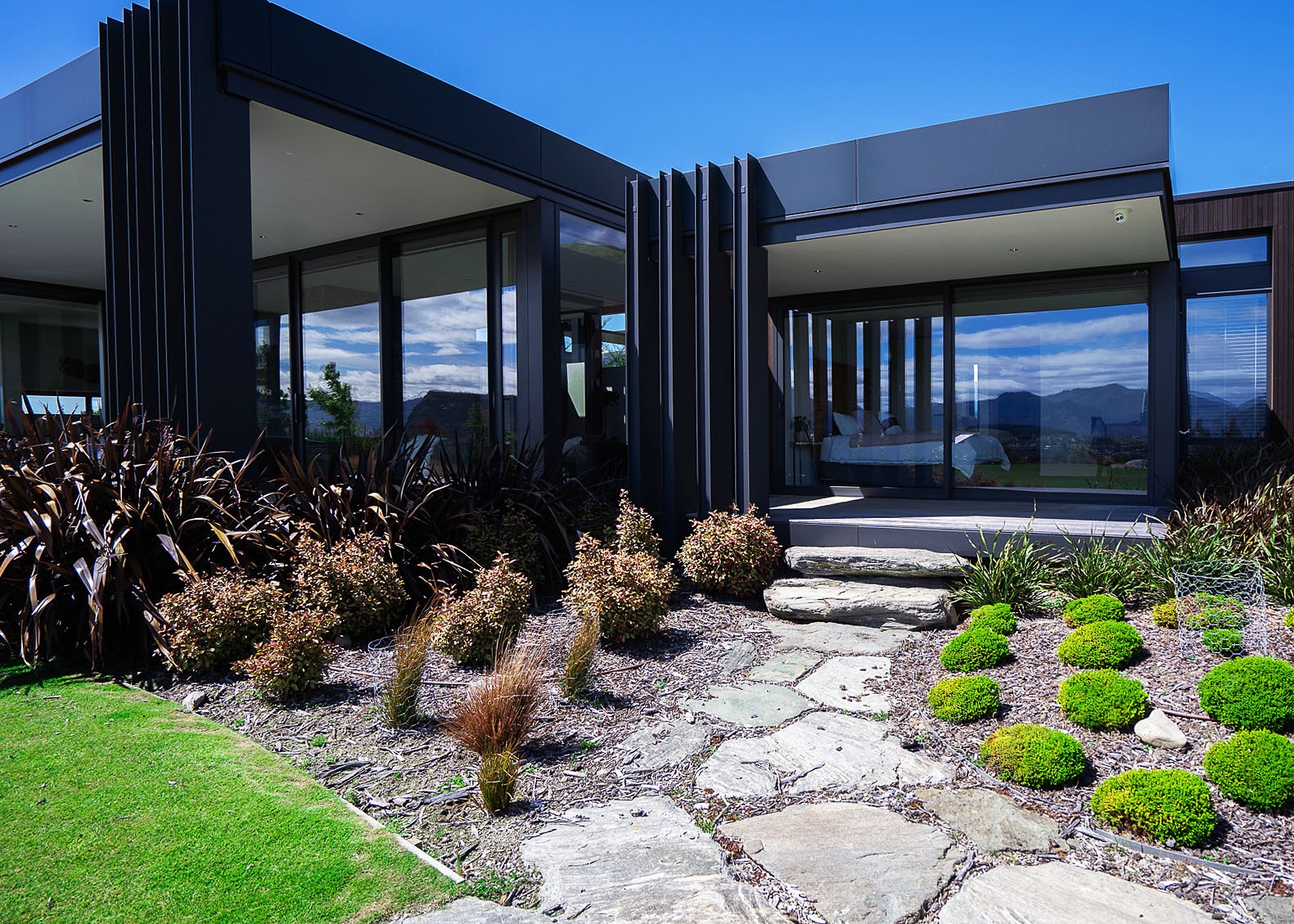
Close-Inspection vs. Distant-Visual Plants
When designing with natives, it’s important to consider how the plants will be viewed:
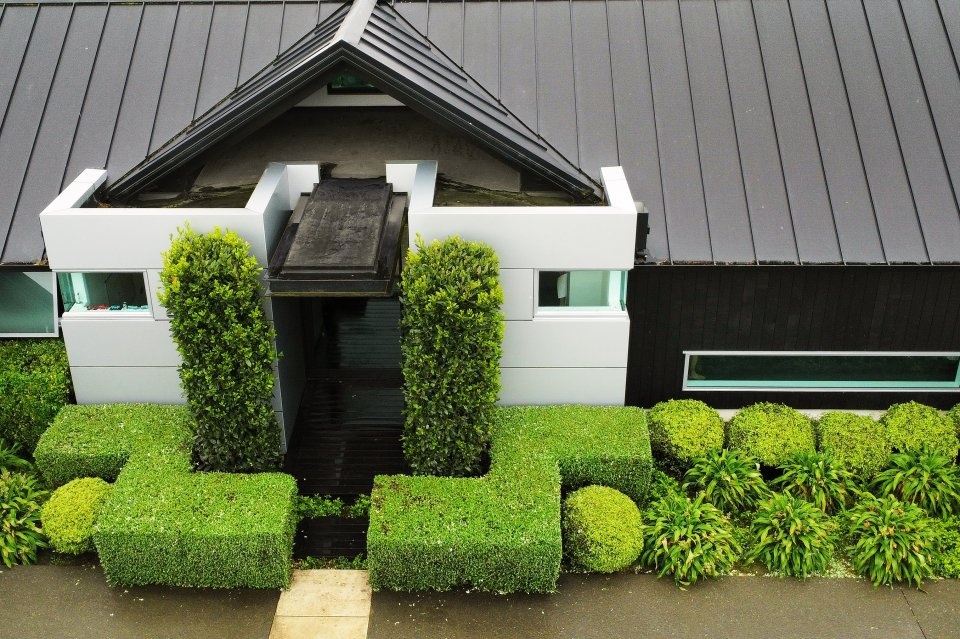
Close-Inspection Plants – Smaller, well-formed, and suited for urban gardens where they will be seen up close. These plants maintain a neat appearance and work well in patios, courtyards, and along pathways.
- Example: Hebe Wiri Mist – A compact, flowering shrub that stays tidy and brings year-round greenery.
- Example: Pittosporum Golf Ball – A naturally rounded shrub with a dense, formal shape requiring little pruning.
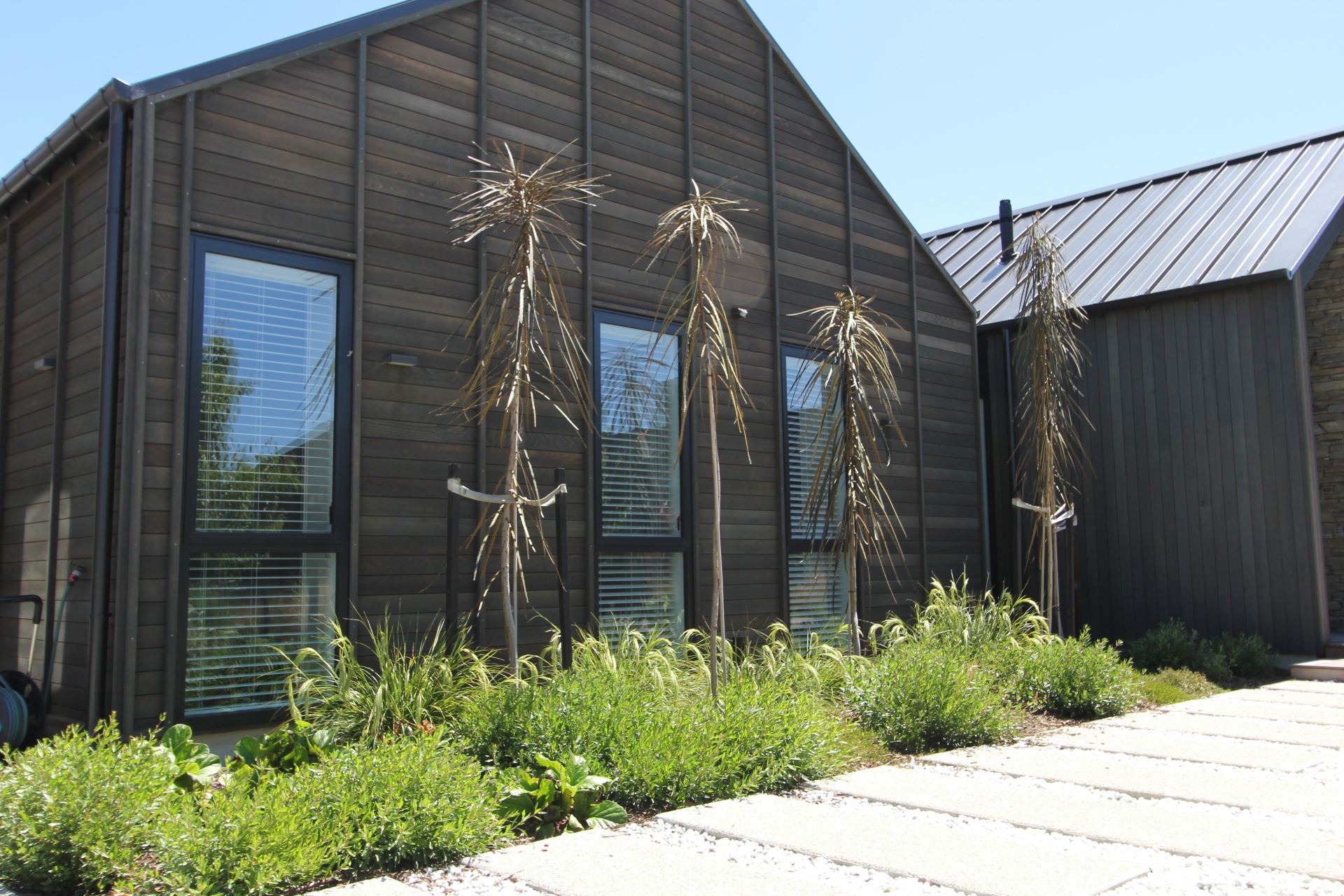
Distant-Visual Plants – Larger, dramatic plants that create impact from afar. While they suit open landscapes, they can appear scruffy in small urban spaces.
- Example: Toi Toi (Austroderia fulvida) – A large, flowing grass with feathery plumes that look stunning in wide, open areas.
- Example: Large Flax (Phormium tenax) – A bold, architectural plant that can become too big for small gardens but makes a statement in large spaces.

By selecting the right combination of close-inspection and distant-visual plants, you can create a cohesive and functional garden that thrives in your space.
1. Trees for Structure & Height
These native trees create a focal point and add seasonal interest in urban gardens.
- Sophora microphylla (Kōwhai) – A stunning small tree with golden-yellow flowers that attract native birds.
- Pseudopanax crassifolius (Lancewood) – A striking, narrow-growing tree with a sculptural form, perfect for contemporary designs.
2. Structural Plants for Form & Texture
These plants provide bold shapes and architectural interest.
- Phormium Emerald Gem – A compact, small-growing flax that stays neat and won’t dominate a space.
- Muehlenbeckia astonii – A unique, wiry shrub with intricate branching, adding texture and movement.
- Pseudowintera Red Leopard (Horopito) – A distinctive shrub with speckled red-green foliage for year-round colour.
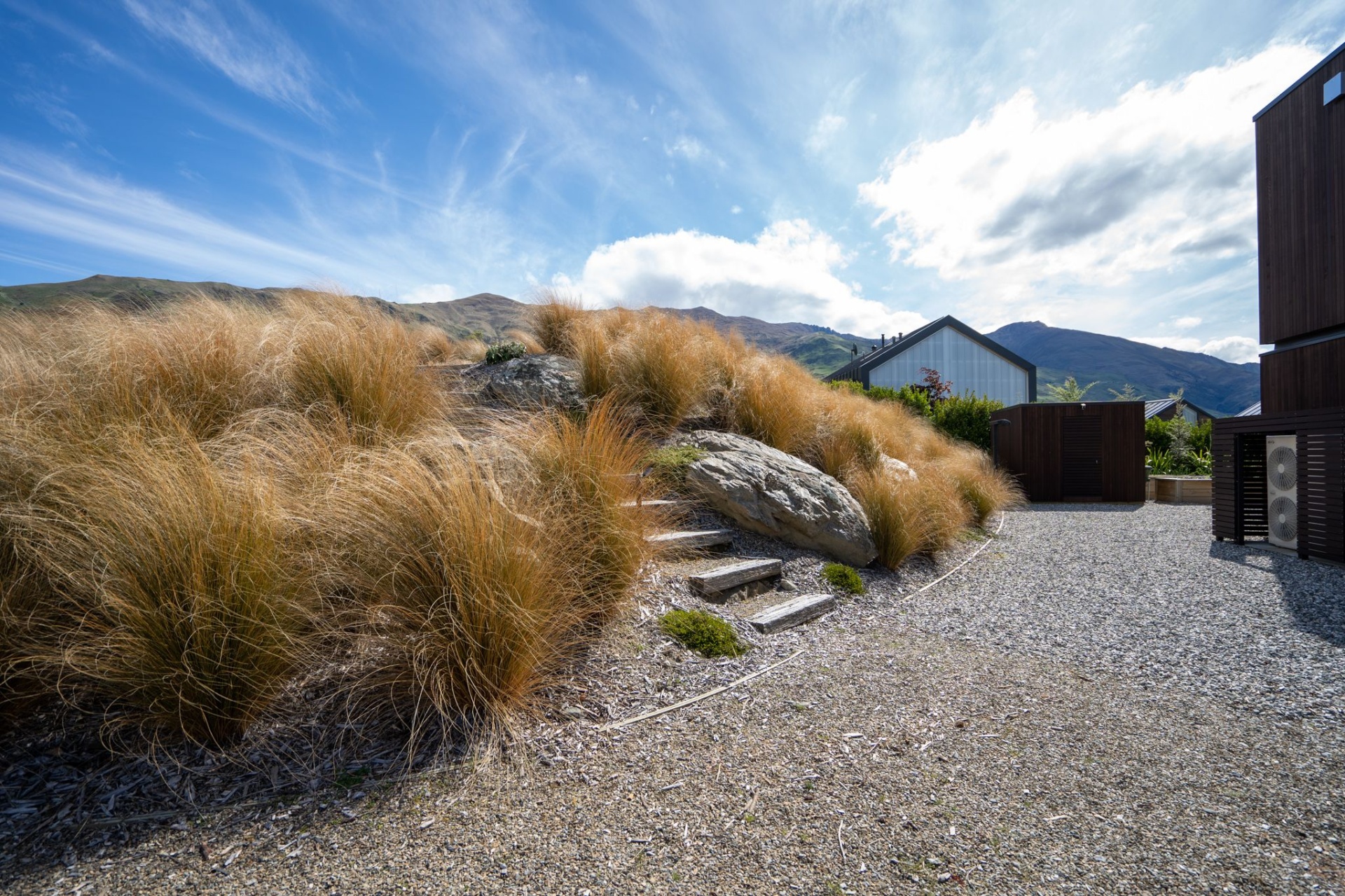
3. Ornamental Grasses for Softness & Movement
These grasses add a natural, flowing feel to urban spaces.
- Carex testacea – A bronze-toned native grass that introduces movement and contrast.
- Chionochloa rubra – A red-hued tussock that adds a soft, feathery look.
4. Hedging & Screening for Structure & Privacy
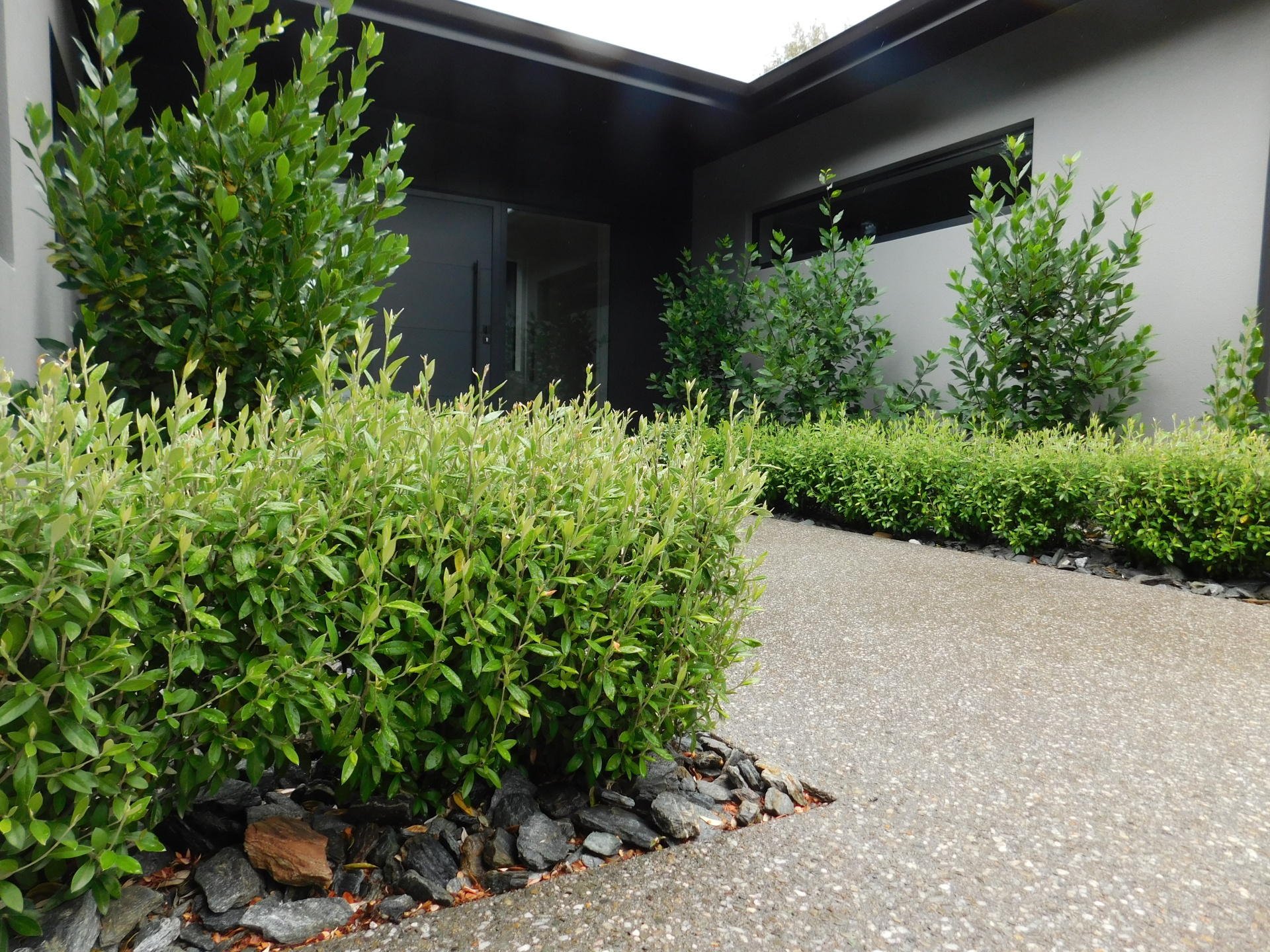
These natives define garden spaces and provide privacy with lush greenery.
- Griselinia littoralis Ardmore Emerald – A dense, dark-green hedge that clips beautifully.
- Corokia– A hardy, silver-green shrub ideal for hedging or screening.
- Pittosporum Stephens Island– A compact, rounded shrub that stays tidy without much maintenance.
5. Ground Covers for a Layered Look
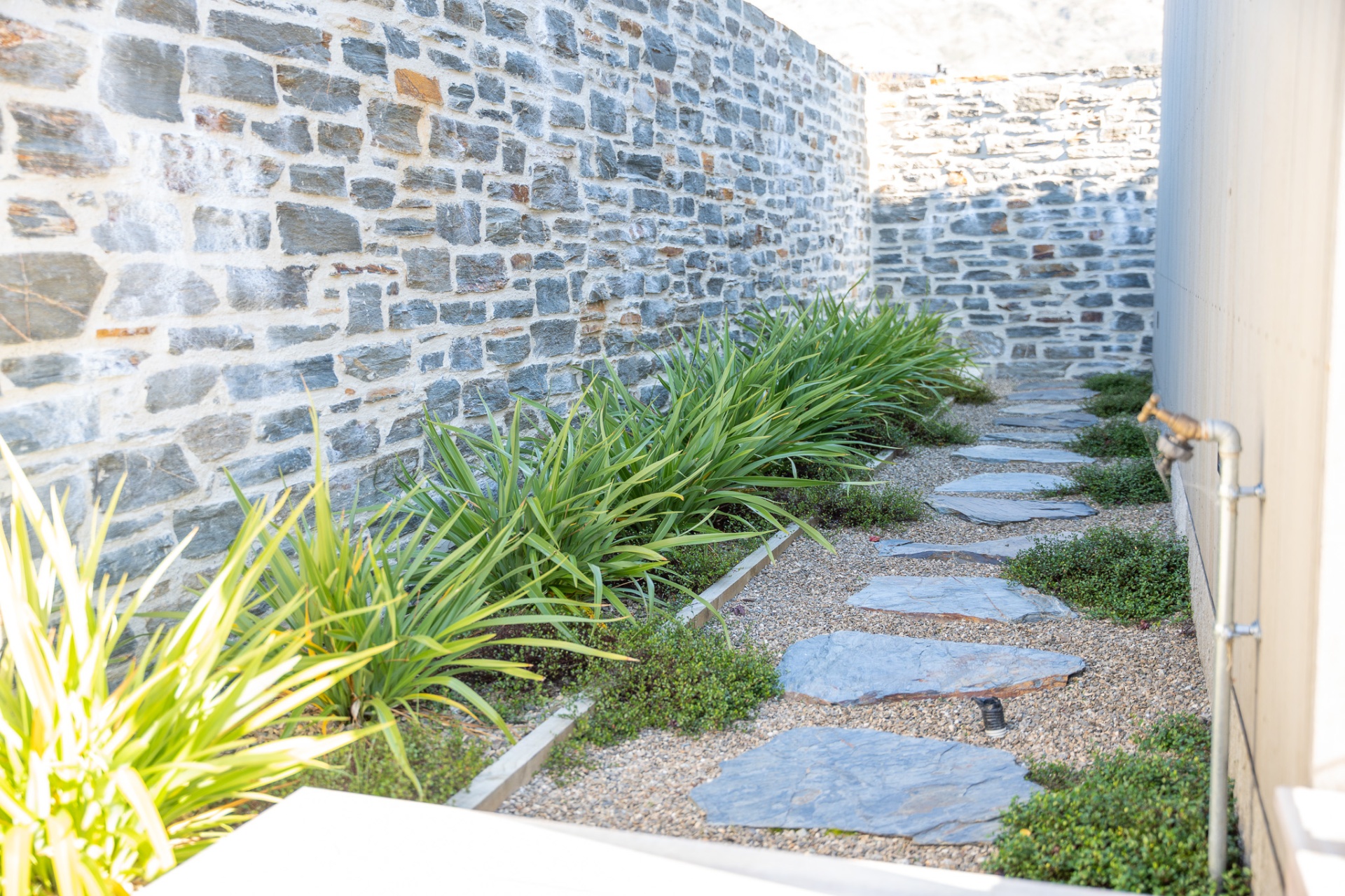
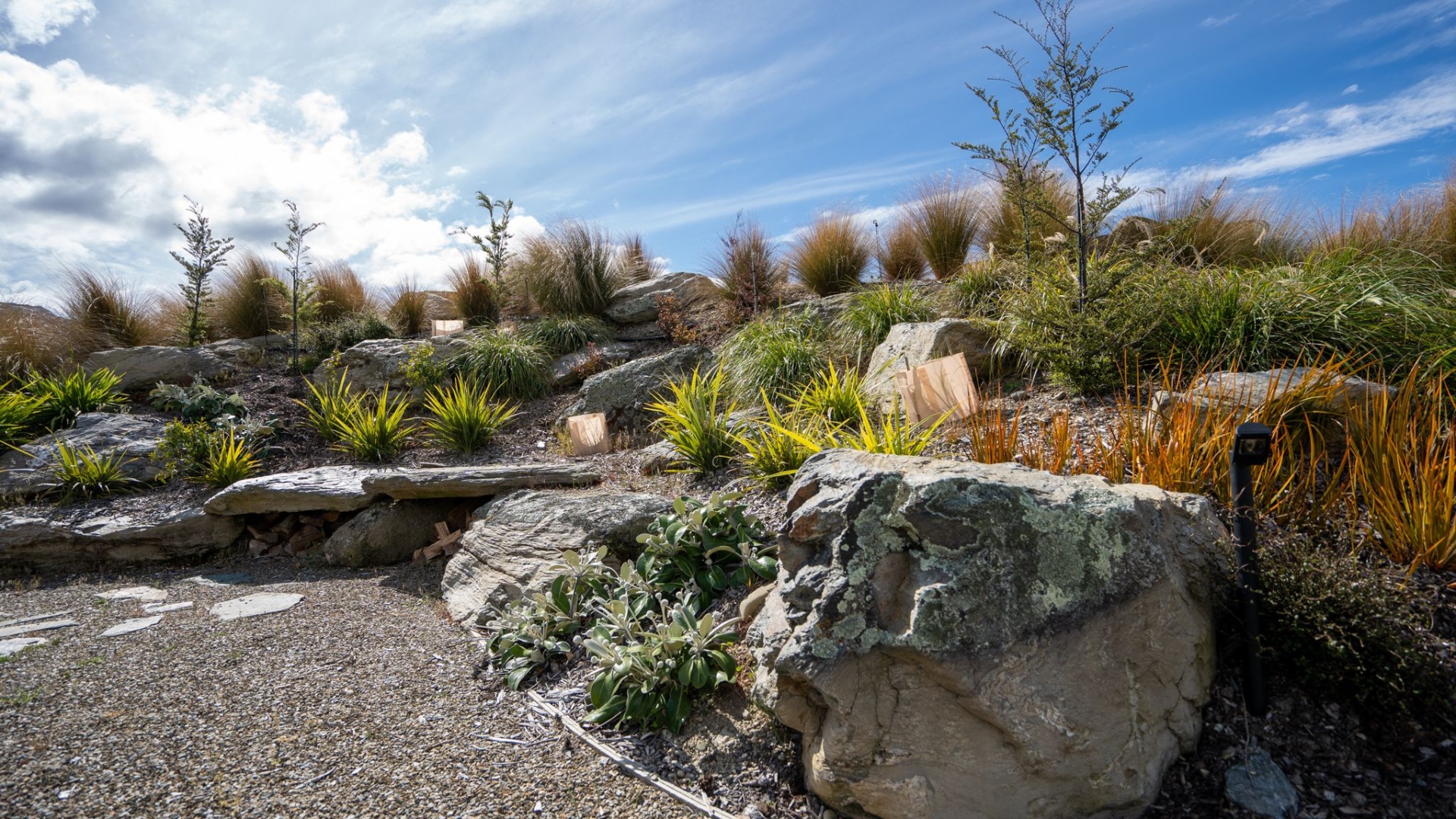
These plants suppress weeds, fill gaps, and add texture.
- Muehlenbeckia axillaris – A low-maintenance, creeping native that weaves through garden beds.
- Pimelea prostrata – A hardy, low-growing native with small grey-green leaves and delicate white flowers.
- Libertia peregrinans – A striking ground cover with warm orange foliage.
6. Native flowers
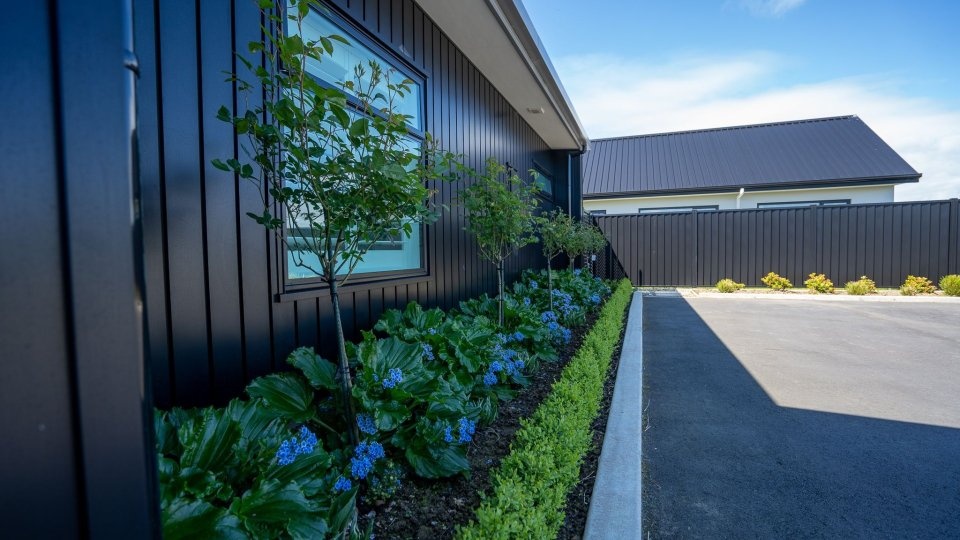
Great for adding interest, colour and seasonality.
- Clematis paniculata – A native clematis with masses of fragrant white flowers in spring.
- Myosotidium hortensia (Chatham Island Forget-me-not) - a stunning perennial with large, glossy, emerald-green leaves and produces clusters of deep blue flowers.
Designing with Natives in Urban Gardens
To achieve a stylish and functional native garden:
- Choose close-inspection plants for urban spaces – They maintain good form and won’t overgrow their space.
- Mix textures and heights – Strappy flaxes contrast beautifully with soft grasses and architectural trees.
- Plan for year-round interest – Combine evergreens, seasonal flowering natives, and textural plants for balance.
- Think about space and scale – Larger, scruffy plants are best suited to open landscapes rather than compact urban gardens.